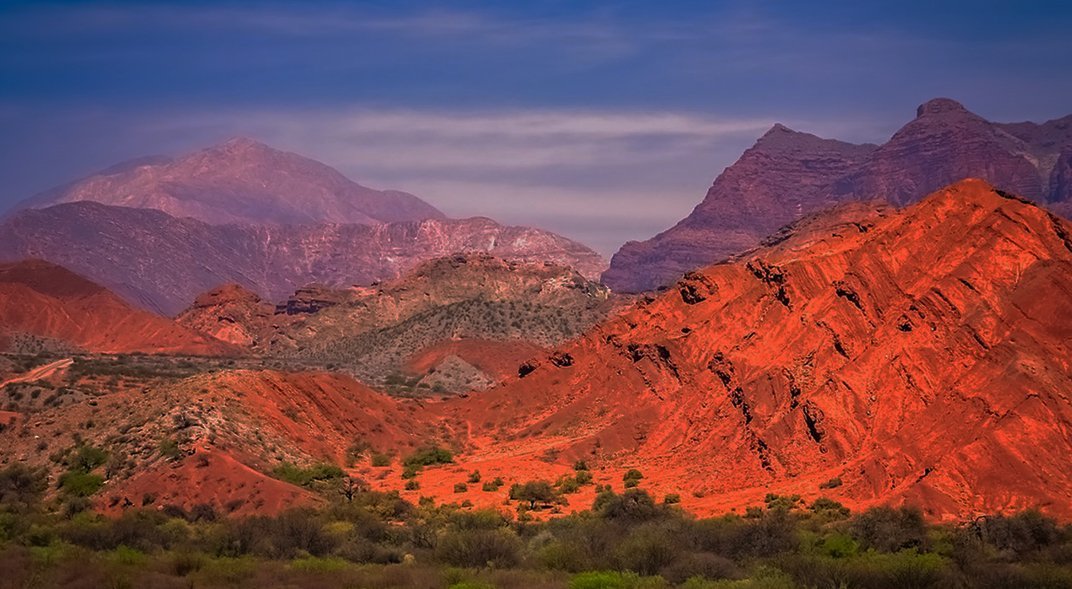
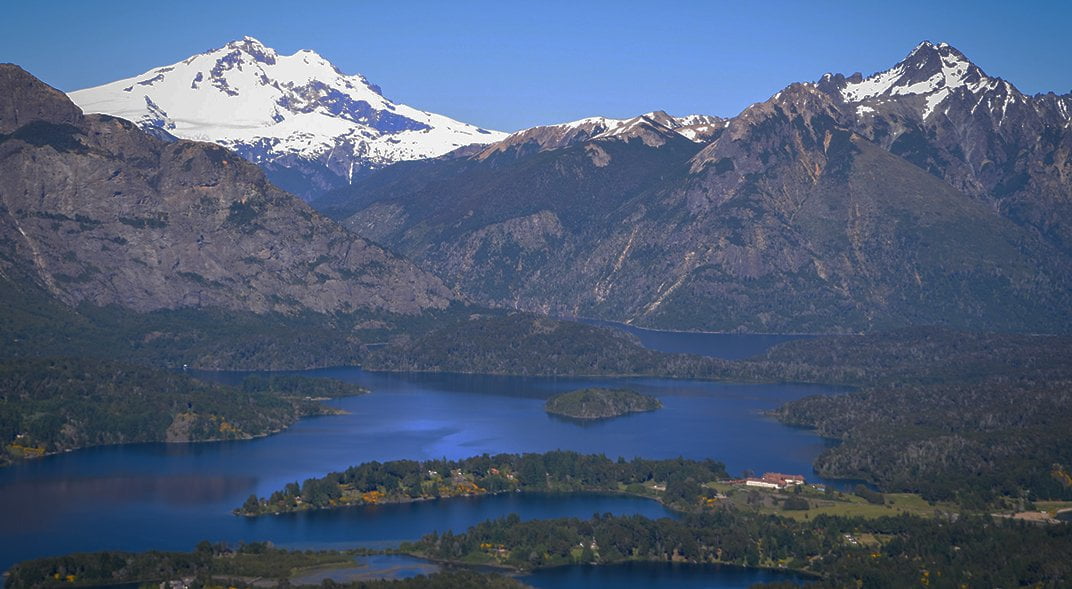
Entre otras muchas atracciones turísticas de Argentina se encuentran las siguiente: Cataratas del Iguazú; Península Valdes; Parque Nacional Los Glaciares; Ciudad de Buenos Aires; Bariloche; Esteros del Iberá; y Ushuaia. Aquí encontrarás toda la información de Argentina.




Su nombre tiene como origen el latín «argentum», que significa plata. Los conquistadores españoles llamaron a esta región del mundo de ésta forma ya que creían que aquí se encontraban grandes cantidades de ese mineral.
En el extremo Sur del continente americano se encuentra la República Argentina, así es la denominación oficial, en la Constitución Nacional, sancionada en el año 1853.
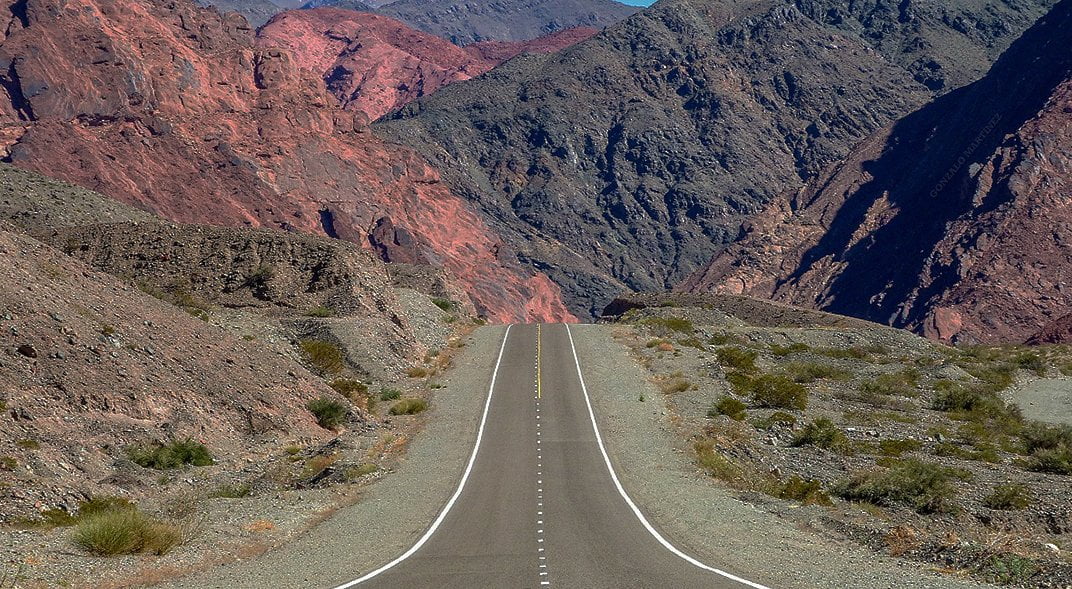
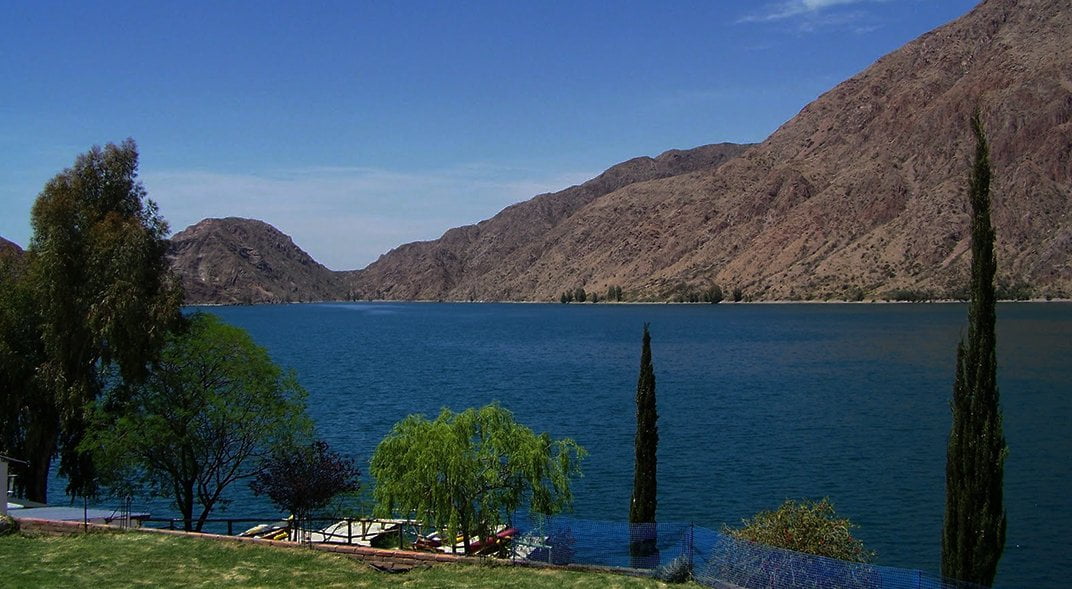
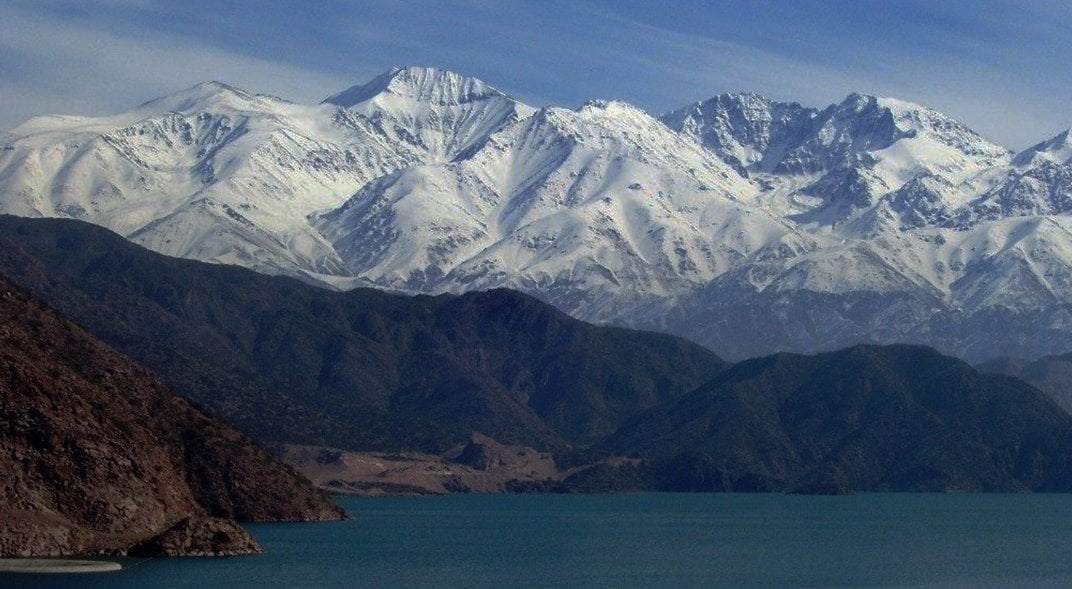
Con una superficie de 3.761.274 Km², el territorio posee un paisaje variado, en el que conviven campos de hielos y zonas áridas, se alternan relieves montañosos con mesetas o llanuras, se comunican cursos fluviales o áreas lacustres con la amplitud oceánica, y la vegetación esteparia no opaca el escenario de bosques y selvas.
Por su extensión, corresponden al Continente Americano; al Continente Antártico y las islas australes, ocupa el cuarto lugar entre los países americanos (después de Canadá, Estados Unidos de América y la República Federativa del Brasil) y el séptimo a nivel mundial.
Limita al norte con Bolivia y Paraguay; al sur con Chile y el Océano Atlántico; al este con Brasil, Uruguay y el Océano Atlántico; y al oeste con la República de Chile. La Antártida Argentina esta comprendida entre los meridianos 25° y 74° de Longitud Oeste, al sur del paralelo 60° Sur.
Encontramos cuatro tipos de clima: cálido, templado, árido y frío, que cuyas variaciones están determinadas por la extensión del territorio y los accidentes del relieve.
Capital Federal
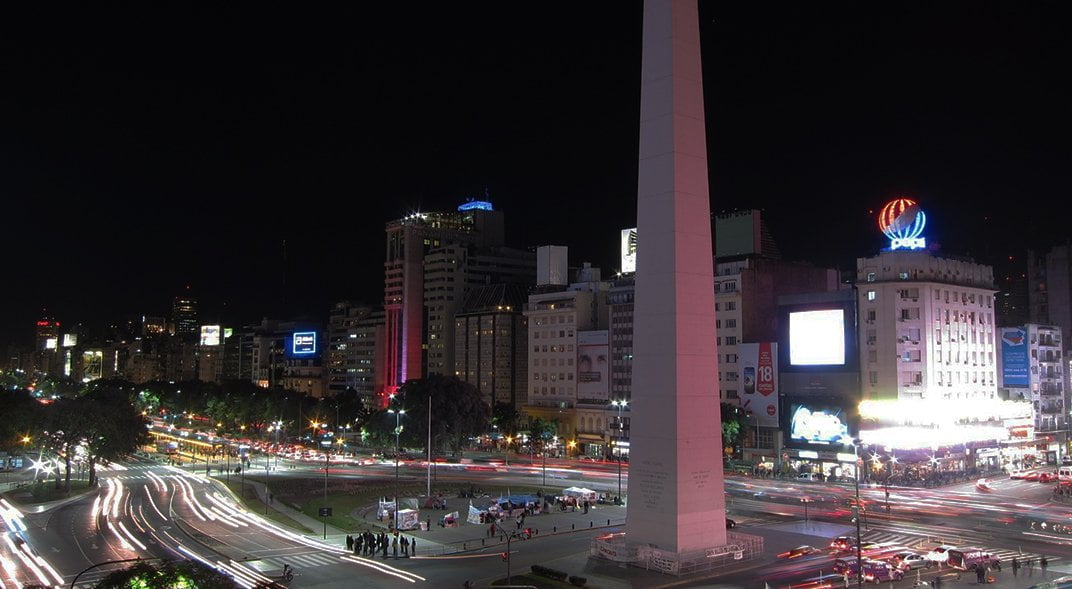
La Ciudad Autónoma de Buenos Aires es la capital, que limita con la provincia homónima, posee una superficie de 202 km² en donde viven 2.890.151 habitantes, y sus límites son, al este, el Río de la Plata; al sur, el Riachuelo; y se encuentra bordeada de norte a oeste por la Av. General Paz.
Población Argentina
Con una población de 40.117.096 habitantes, se caracteriza por ser un “crisol de razas” que define la esencia de la argentinidad, sus primeros pobladores fueron indígenas quienes, congregados en diversas tribus, desarrollaron sus culturas en grado diverso. Con el arribo de los conquistadores, las costumbres y los valores propios de los españoles generaron un perdurable encuentro cultural y el inicio del mestizaje de blancos e indios, donde se sumaron los mulatos y zambos para afirmar así la conformación de la población criolla.
El último importante caudal inmigratorio se produjo en la segunda mitad del siglo XIX y la primera del XX. De origen predominantemente europeo, constituyen otro pilar fundamental de este verdadero “crisol de razas”.
Religión
Existe una total libertad de culto. La religión católica es profesada mayoritariamente pero también se practican otros cultos como el protestantismo, el judaísmo, el islamismo, la religión ortodoxa griega, la ortodoxa rusa y otras.
Unidad monetaria
La moneda oficial es el peso, dividido en 100 centavos.
Idioma
El oficial es el español, traído por los conquistadores, que sufrió cambios a lo largo del tiempo, producto de la convivencia con los pueblos indígenas nativos que lo enriquecieron y las sucesivas inmigraciones que hicieron su aporte a la lengua de los argentinos.
Sin embargo, todavía perduran otras lenguas nativas como el mapuche, el guaraní, aimara y el quechua, entre otras.
Fiestas Nacionales
25 de mayo – se reconoce la autoridad de la Junta Revolucionaria y así se formaba el Primer Gobierno Patrio.
La Revolución de Mayo fue un cambio crucial que marcó la historia argentina, el momento crítico fue durante la llamada Semana de Mayo, del 18 al 25 de ese mes del año 1810.
9 de julio, que se festeja la Declaración de la Independencia.
En 1816, el Congreso reunido en Tucumán firmó el Acta de la Independencia, proclamándose así la existencia de una nueva nación «libre e independiente de los reyes de España y de toda otra dominación extranjera».
Recibirás noticias y ofertas de Argentina